
The Science Behind Plants and Air Quality
In 1989, NASA published a landmark study examining whether common houseplants could remove volatile organic compounds (VOCs) from indoor air. The results were promising, and the study sparked a trend that continues today.
But how much of it is real, and how much is marketing hype? Let's look at what the science actually says.
What the NASA Study Found
NASA tested 12 common houseplants for their ability to remove three VOCs:
- Benzene — Found in plastics, detergents, and tobacco smoke
- Formaldehyde — Found in building materials and furniture
- Trichloroethylene — Found in adhesives and paint removers
The top performers in the study included:
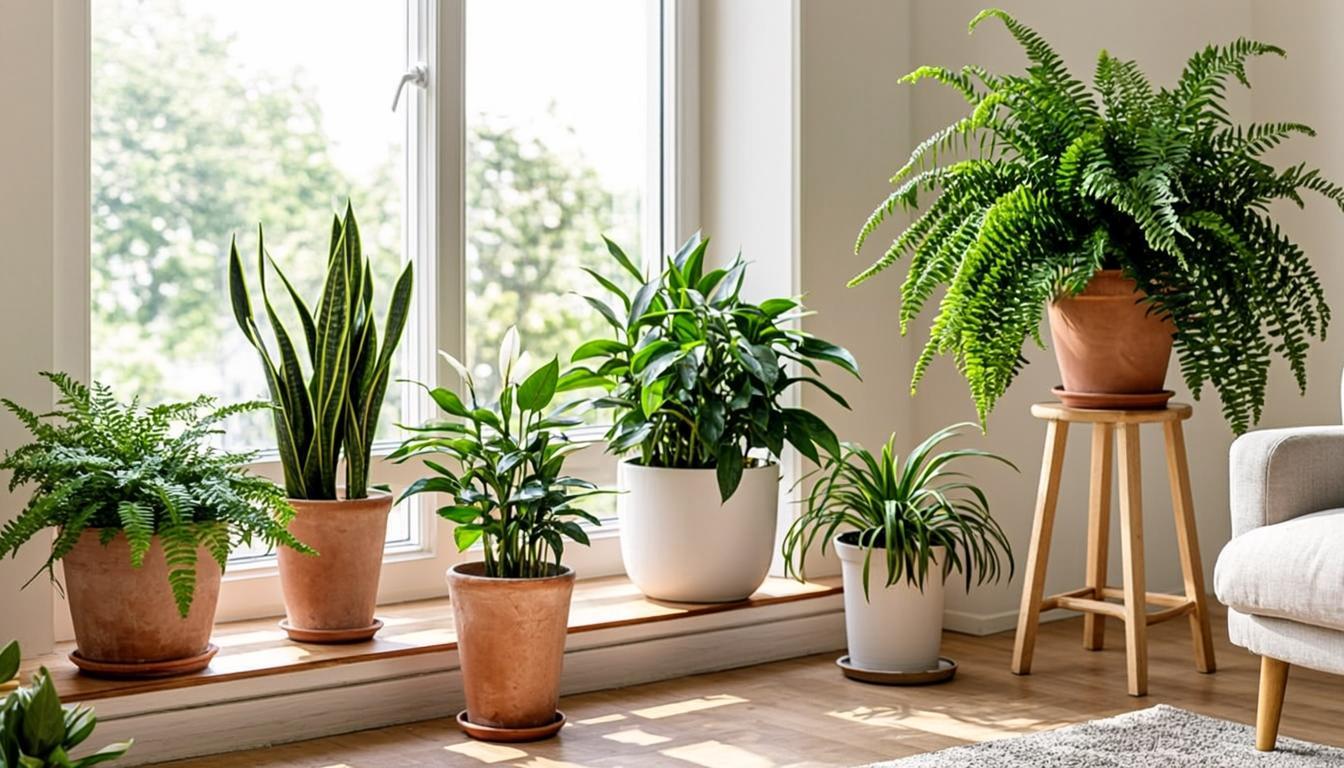
- Peace Lily (Spathiphyllum) — Excellent at removing all three VOCs
- Spider Plant (Chlorophytum comosum) — Fast-growing and effective
- Snake Plant (Sansevieria) — Unique for producing oxygen at night
- Boston Fern (Nephrolepis exaltata) — Particularly effective for formaldehyde
- English Ivy (Hedera helix) — Effective against benzene
The Reality Check
Here's what the NASA study didn't tell you:
- The study was conducted in sealed chambers of 0.4 cubic meters
- A typical room is 30-100 cubic meters
- You would need hundreds of plants in a single room to match the study's results
That said, plants still offer real, measurable benefits:
- They do absorb VOCs, just at a slower rate than the study suggested
- They increase humidity, which reduces airborne virus transmission
- They reduce stress and improve mental well-being (well-documented in multiple studies)
- They produce oxygen and absorb carbon dioxide
Practical Recommendations
Rather than trying to create a jungle for air purification, take a balanced approach:
For a Standard Living Room (200 sq ft)
- 6-10 medium plants for a noticeable effect on air quality
- Combine species — Different plants absorb different compounds
- Focus on proven performers — Peace lily, snake plant, spider plant
Placement Matters
- Place larger plants on the floor
- Hang trailing plants at window level where air circulates
- Group plants together to create a microclimate with higher humidity
Beyond Air Purification
The real benefits of houseplants go beyond chemistry:
- Stress reduction — Studies show interacting with indoor plants reduces cortisol levels
- Productivity — Office workers near plants show 15% higher productivity
- Recovery — Hospital patients with plants in their rooms recover faster
- Focus — Having plants in your workspace improves concentration and attention
The bottom line: while a single plant won't purify a whole room, a thoughtful collection of houseplants genuinely improves your indoor environment — both physically and mentally.