What Makes The Thrill of the Hunt and How Do You Choose?
For many plant enthusiasts, there comes a point where pothos and snake plants no longer satisfy the craving. The rare plant market offers something different: unique genetics, stunning variegation, and the genuine excitement of growing something few other people own.
But rare plants come with a premium price tag. How do you decide which ones are worth the investment?
What Makes a Plant "Rare"
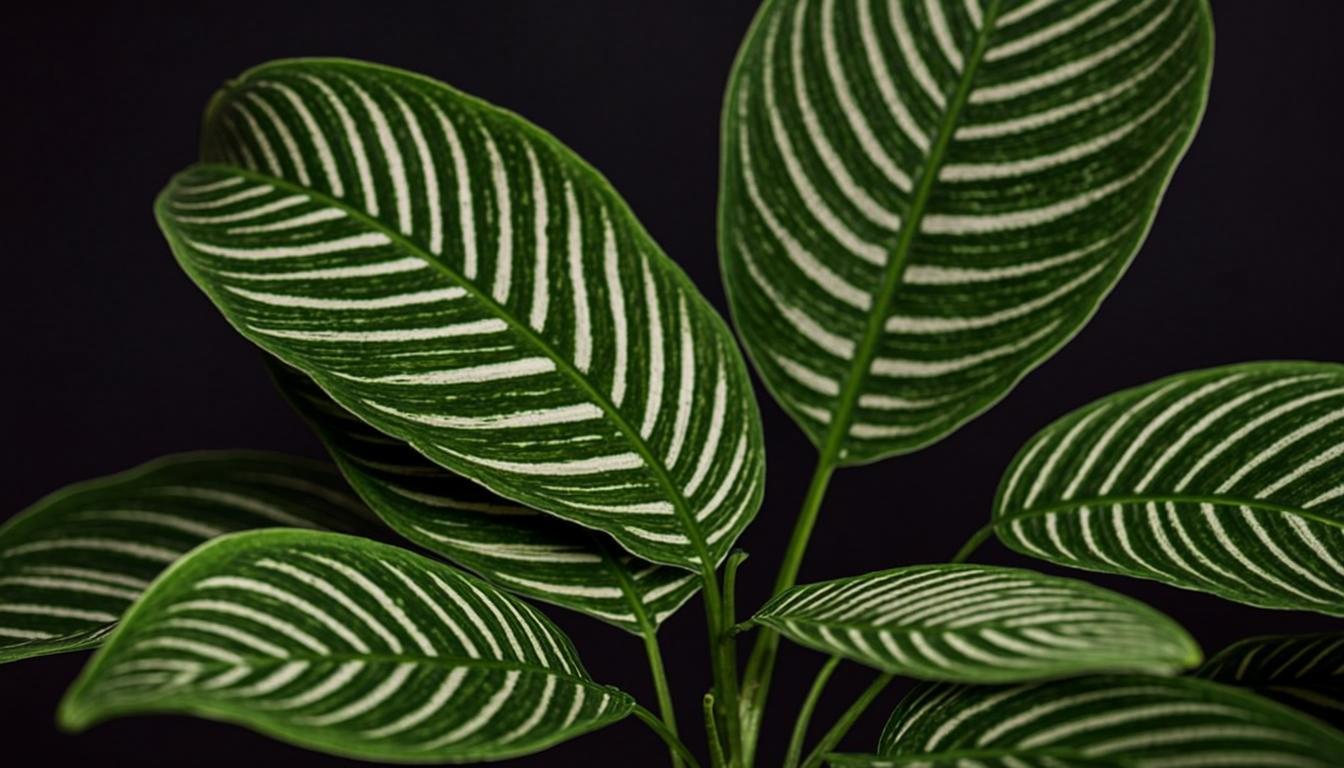
A rare houseplant is defined as a botanical specimen characterized by limited commercial availability, slow vegetative propagation rates, and distinctive traits such as chimeric variegation or unique leaf fenestrations that commercial nurseries cannot readily reproduce through mass tissue culture.
A rare houseplant is defined by limited commercial supply, slow natural propagation rates, and distinctive botanical traits such as chimeric variegation or unique leaf morphology that cannot easily be mass-produced through standard tissue culture.
Investing in collectible houseplants requires evaluating long-term genetic stability, ambient humidity demands, and documented provenance from reputable growers to ensure the specimen retains both its aesthetic vigor and secondary market value over time.
A rare houseplant is defined by limited commercial supply, slow natural propagation rates, and distinctive botanical traits such as chimeric variegation or unique leaf morphology that cannot easily be mass-produced through standard tissue culture.
True rarity in houseplants comes from:
Slow propagation — Some plants can only be multiplied through division, not cuttings
Genetic instability — Variegated forms may revert, making stable specimens scarce
Limited commercial production — Not yet mass-produced by large nurseries
Geographic restrictions — Native to remote regions with limited export
10 Rare Plants Worth the Investment
1. Monstera Thai Constellation
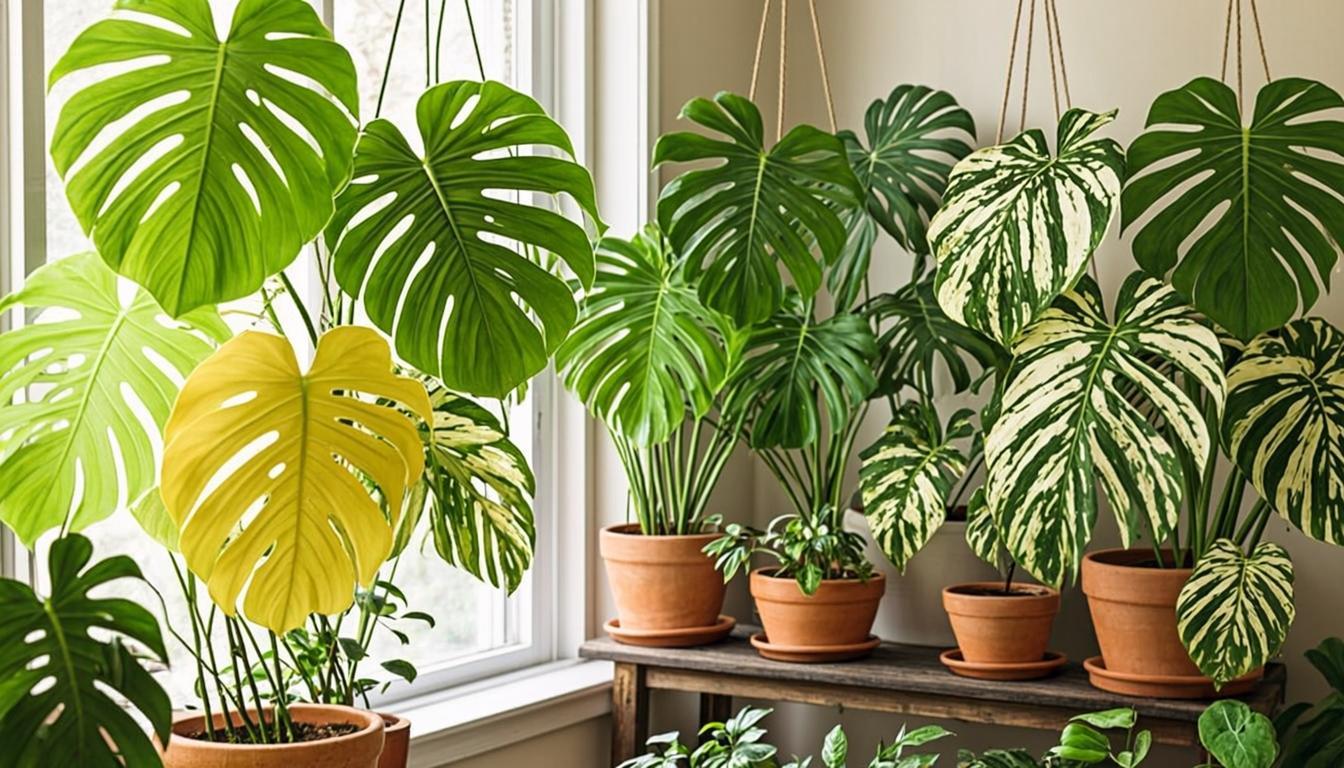
A stably variegated monstera with creamy-white splashes across its leaves. Unlike the unstable 'Albo Variegata,' the Thai Constellation maintains its variegation reliably.
Price range: $150-$500+
Care difficulty: Moderate
Why it's worth it: Stable variegation, dramatic presence, reliable growth
2. Philodendron Pink Princess
Deep green leaves with vivid pink variegation. The amount of pink varies from leaf to leaf, making each plant unique.
Price range: $50-$300+
Care difficulty: Moderate
Why it's worth it: Unforgettable color, relatively easy to grow
3. Anthurium Clarinervium
Velvety, heart-shaped leaves with striking white veins. It looks like something from a tropical fairy tale.
Price range: $30-$150
Care difficulty: Moderate to advanced
Why it's worth it: The vein pattern is extraordinary, compact size
4. Alocasia Azlanii
Metallic, dark leaves with iridescent pink-green veining. One of the most photogenic plants in existence.
Price range: $75-$250
Care difficulty: Advanced
Why it's worth it: The metallic sheen must be seen in person to be believed
5. Hoya Carnosa Compacta 'Hindu Rope'
Twisted, convoluted leaves that look like thick green ropes. When it blooms, the flowers are spectacular — clusters of pink, star-shaped flowers with a cinnamon fragrance.
Price range: $20-$80
Care difficulty: Easy to moderate
Why it's worth it: Unique form, beautiful flowers, easy care
Tips for Buying Rare Plants
Buy from reputable sellers — Check reviews and join plant community groups for recommendations
Quarantine new plants — Keep them separate from your collection for 2 weeks
Inspect carefully — Look for pests, rot, and signs of poor health before buying
Start with established plants — Beginners should avoid buying bare-root rare plants
Research care requirements — Make sure you can provide the conditions the plant needs before purchasing
Rare plant collecting is a rewarding hobby that connects you with a passionate global community. Start with one variety that truly speaks to you, and let your collection grow naturally.